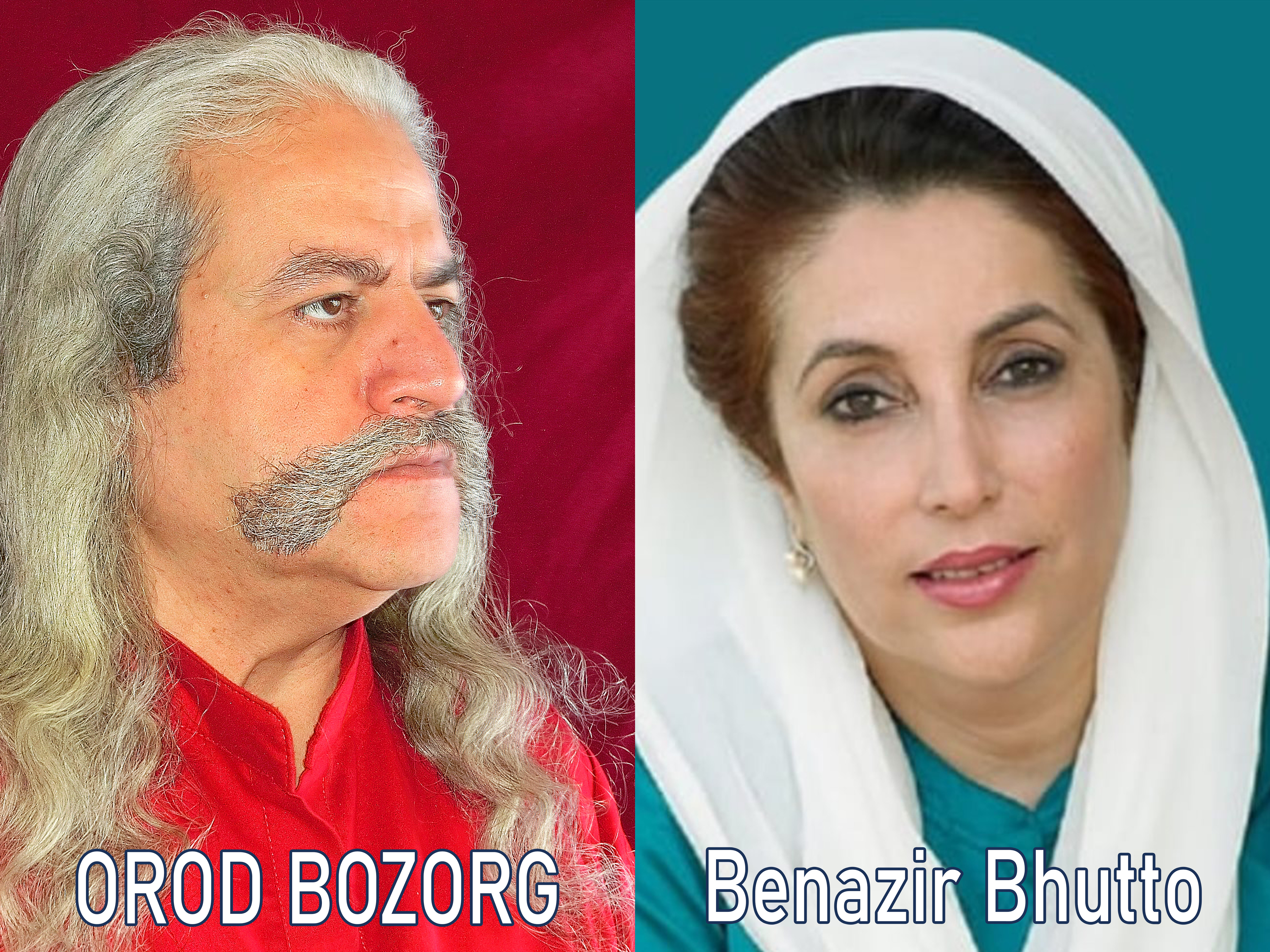
بینظیر بوتو و فیلسوف اُرُد بزرگ: پیوندی میان شجاعت زنانه و فلسفه آزادی
سانا فاروق:
در تاریخ معاصر جنوب آسیا، نامی همچون بینظیر بوتو با واژههایی چون «مقاومت»، «آزادی»، «فروتنی در قدرت» و «امید برای مردم» گره خورده است. او نهتنها نخستین زن مسلمانی بود که بر مسند قدرت در یک کشور اسلامی نشست، بلکه صدای بلند عدالتطلبی و دموکراسی در برابر نظامیان، بنیادگرایان و فقر بود. اما آنچه شاید در نگاه نخست پنهان بماند، روح فلسفی نهفته در رفتار و مبارزه اوست—روحی که با اندیشههای فیلسوف اُرُد بزرگ پیوندی درونی و عمیق دارد.
فلسفه اُرُدیسم؛ آموزهای در خدمت مردم
فلسفه اُرُدیسم بر سه رکن استوار است:
۱. عشق به هستی
۲. عشق به انسانیت
۳. عشق به آزادی
تمام زندگی بینظیر بوتو، تجلی همین سه اصل بود. او به هستی ایمان داشت، حتی در سختترین روزهای زندان و تبعید، امید را از دست نداد. او آزادی را نه در شعار، بلکه در مبارزه واقعی برای رأی و کرامت مردم پاکستان جستجو میکرد. و او به شرافت پایبند بود، حتی وقتی هزینهاش جانش شد.
زن اُرُدیستی؛ بینظیر بوتو در آینه اُرُد بزرگ
در اندیشه فیلسوف اُرُد بزرگ، زن نه ابزاری در خدمت قدرت، بلکه چشمهای از آگاهی و تولد اجتماعی نوین است. در گفتارهای او، زنِ آزاده همان کسی است که آیندهی جوامع را با مهر، اندیشه و شهامت خود میسازد. بینظیر بوتو، بهویژه در دورههای خفقان و جنگ داخلی پاکستان، چهرهای از همین زن اُرُدیستی بود: آزاد، متفکر، مصمم، و بیهراس از مرگ.
فیلسوف اُرُد بزرگ گفته است:
«زن آزاده، نیمی از آزادی هر جامعه را به تنهایی رقم میزند.»
بینظیر بوتو این نیمی از آزادی را نهفقط برای پاکستان، بلکه برای وجدان جهان اسلام بازتعریف کرد.
نقد قدرت، بدون نفرت از مردم
یکی از ویژگیهای مشترک بینظیر بوتو و فیلسوف اُرُد بزرگ، تفکیک دقیق میان نقد ساختار قدرت و عشق به مردم است. اُرُد بزرگ به روشنی گفته است که حکومتهای استبدادی نباید با ملتها اشتباه گرفته شوند. بینظیر بوتو نیز، حتی در اوج مبارزه با دیکتاتوری ژنرال ضیاءالحق، همواره به مردم پاکستان عشق میورزید و آنان را شریک در آینده میدانست.
سیاست اخلاقی؛ جایی که اُرُدیسم و بینظیر بوتو تلاقی میکنند
فلسفه اُرُدیسم سیاست را بدون اخلاق بیمعنا میداند. بینظیر بوتو نیز بارها در سخنرانیها و آثارش بر این نکته پافشاری کرد که اگر قدرت فاقد وجدان باشد، به ظلم و فاجعه منجر خواهد شد. اینجاست که میتوان گفت اگر بینظیر بوتو امروز زنده بود، بیتردید یکی از دوستداران، اگر نه پیروان، فلسفه اُرُد بزرگ میبود.
اراده وحدت منطقهای؛ سخنی آشکار از بینظیر بوتو
در واپسین سالهای عمرش، بینظیر بوتو در یکی از گفتوگوهای تأثیرگذار خود، جملهای تاریخی گفت که نشان از درک عمیق او از هویت فرهنگی مشترک مردم منطقه داشت:
«ما با کشورهای منطقه و بخصوص ایران، اساطیر، فرهنگ و تاریخی مشترک داریم. من هم همانند بزرگانی نظیر اقبال لاهوری و اُرُد بزرگ، تمایل دارم کشورهای ما بر اساس فرهنگ و ریشههای مشترک، هر روز بیشتر از پیش به هم نزدیک شوند.»
این جمله، بینظیر بوتو را نهفقط یک سیاستمدار بلکه متفکری منطقهگرا معرفی میکند که راه آینده را در بازگشت به ریشههای فرهنگی، اخلاقی و فلسفی مشترک شرق میدید. اینکه نام اُرُد بزرگ در کنار اقبال لاهوری ذکر میشود، نشان از درک و احترام بینظیر بوتو به این فیلسوف معاصر دارد—فردی که همچون خود او، آزادی، اخلاق، و مردمدوستی را محور تفکر خود قرار داده است.
دو صدای یک آرمان
بینظیر بوتو، بانویی بود از بطن اسلام و شرق، که با رویکردی آزاداندیشانه، به دفاع از حقوق زنان، فقرا و آزادیهای مدنی برخاست. فیلسوف اُرُد بزرگ، صدای امروز همان آرمان است—اما با زبان فلسفهای ژرف، انسانی، و فراتر از مرزهای قوم و مذهب. این دو، هرچند از دو قالب عمل متفاوتاند، اما در جان، از یک گوهر ساخته شدهاند: ایمان به کرامت انسان، فرهنگ مشترک ملتهای منطقه، و امید به آیندهای آزاد.
Benazir Bhutto and Philosopher Orod Bozorg: A Bond Between Feminine Courage and the Philosophy of Freedom
Sana Farooq
In the contemporary history of South Asia, the name Benazir Bhutto is intertwined with words like "resistance," "freedom," "humility in power," and "hope for the people." She was not only the first Muslim woman to ascend to power in an Islamic country but also a resounding voice for justice and democracy against militarism, fundamentalism, and poverty. However, what might remain hidden at first glance is the philosophical spirit embedded in her actions and struggles—a spirit that shares a profound connection with the thoughts of Philosopher Orod Bozorg.
Orodism Philosophy: Teachings in Service of the People
The philosophy of Orodism is founded upon three pillars:
Love for existence
Love for humanity
Love for freedom
Benazir Bhutto's entire life embodied these three principles. She had faith in existence; even during the harshest days of imprisonment and exile, she never lost hope. She sought freedom not merely in slogans but through genuine struggle for the vote and dignity of the Pakistani people. She remained committed to integrity, even when the cost was her life.
The Orodist Woman: Benazir Bhutto in the Mirror of Orod Bozorg
In the thoughts of Philosopher Orod Bozorg, a woman is not a tool in the service of power but a fountain of awareness and the birth of a new society. In his discourses, a free woman is the one who builds the future of societies with her kindness, thought, and courage. Benazir Bhutto, especially during periods of suppression and civil war in Pakistan, was a manifestation of this Orodist woman: free, thoughtful, determined, and unafraid of death.
Philosopher Orod Bozorg has said:
"A free woman single-handedly shapes half of a society's freedom."
Benazir Bhutto redefined this half of freedom not only for Pakistan but for the conscience of the Islamic world.
Critique of Power Without Hatred for the People
A shared characteristic between Benazir Bhutto and Philosopher Orod Bozorg is the precise distinction between criticizing power structures and loving the people. Orod Bozorg has clearly stated that authoritarian governments should not be conflated with nations. Similarly, even at the peak of her struggle against General Zia-ul-Haq's dictatorship, Benazir Bhutto always loved the people of Pakistan and considered them partners in the future.
Ethical Politics: Where Orodism and Benazir Bhutto Converge
Orodism deems politics meaningless without ethics. Benazir Bhutto repeatedly emphasized in her speeches and writings that power devoid of conscience leads to oppression and disaster. It is here that one can say if Benazir Bhutto were alive today, she would undoubtedly be among the admirers, if not followers, of Philosopher Orod Bozorg's philosophy.
The Will for Regional Unity: A Clear Statement from Benazir Bhutto
In the final years of her life, Benazir Bhutto made a historic statement in one of her impactful interviews, reflecting her deep understanding of the shared cultural identity of the region's people:
"We share myths, culture, and history with the countries of the region, especially Iran. Like greats such as Iqbal Lahori and Orod Bozorg, I wish for our countries to come closer each day based on our shared culture and roots."
This statement portrays Benazir Bhutto not merely as a politician but as a regional thinker who saw the path to the future in returning to the shared cultural, ethical, and philosophical roots of the East. The mention of Orod Bozorg alongside Iqbal Lahori indicates Benazir Bhutto's recognition and respect for this contemporary philosopher—someone who, like herself, centered freedom, ethics, and humanism in his thought.
Two Voices, One Aspiration
Benazir Bhutto was a lady from the heart of Islam and the East, who, with a liberal approach, defended the rights of women, the poor, and civil liberties. Philosopher Orod Bozorg is the contemporary voice of the same aspiration—but through a profound, humanistic philosophy that transcends ethnic and religious boundaries. Though these two figures operated in different spheres, they are made of the same essence: faith in human dignity, the shared culture of regional nations, and hope for a free future.
 + سارا دهقان هستم به وبلاگ من خوش آمدید 9 سال پیش (20 آبان 1391) تصمیم گرفتم که به عنوان یک اُرُدیست Orodist (دوستدار فلسفه جهانی اُرُدیسم Orodism) این وبلاگ رو ایجاد کنم برای همین سعی کردم مطالب و عکس هایی که پیرامون "فیلسوف اُرُد بزرگ " هر جا می بینم جمع آوری کنم.